
The Durbar festival is a colorful and vibrant cultural event celebrated in several parts of Northern Nigeria, particularly in states like Kano, Katsina, and Zaria. The term “Durbar” is derived from the Arabic word “durbār,” meaning “royal court.”
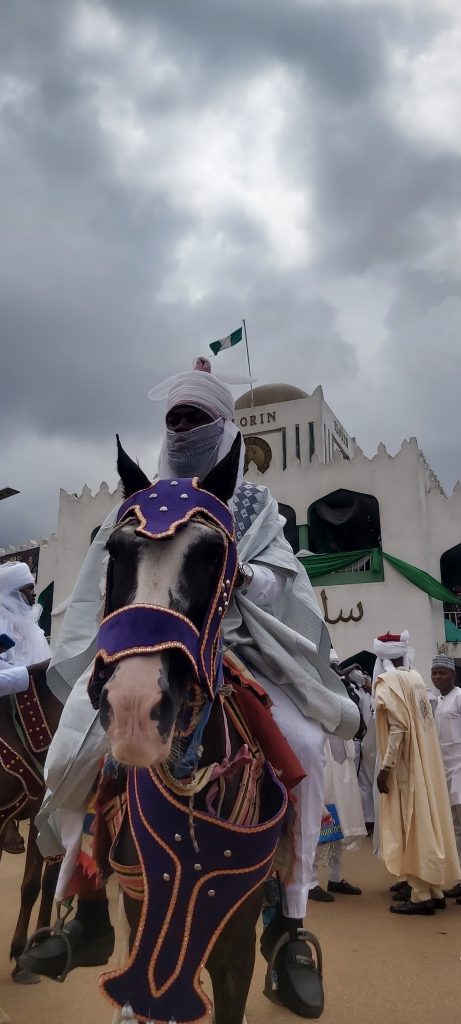
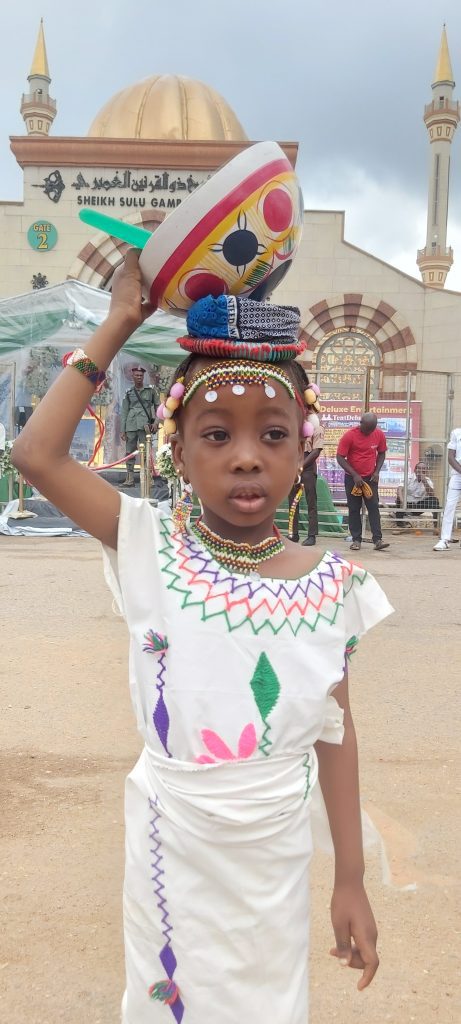
The festival has its roots in the ancient Islamic traditions and the historical influence of the Hausa and Fulani people in the region. It is usually held during Muslim religious festivals, such as Eid al-Fitr and Eid al-Adha, to mark the end of Ramadan and the Islamic pilgrimage (Hajj) respectively. It is a time of celebration and pageantry.
During the Durbar festival, various aspects of the culture are showcased, including traditional music, dance, horseback riding, and elaborate parades. The highlight of the festival is the procession of colorfully dressed horsemen, known as “Hawan Sallah” or “Hawan Daushe,” who ride through the streets, displaying their horsemanship skills.
The horsemen, adorned in ornate traditional attire and wielding ceremonial weapons, perform synchronized movements and acrobatic displays to entertain the crowds. It is a spectacle that attracts both locals and tourists alike.
Notable dignitaries, including emirs, chiefs, and government officials, participate in the festival, adding to its grandeur. Traditional music, drumming, and chants accompany the procession, creating a festive atmosphere.
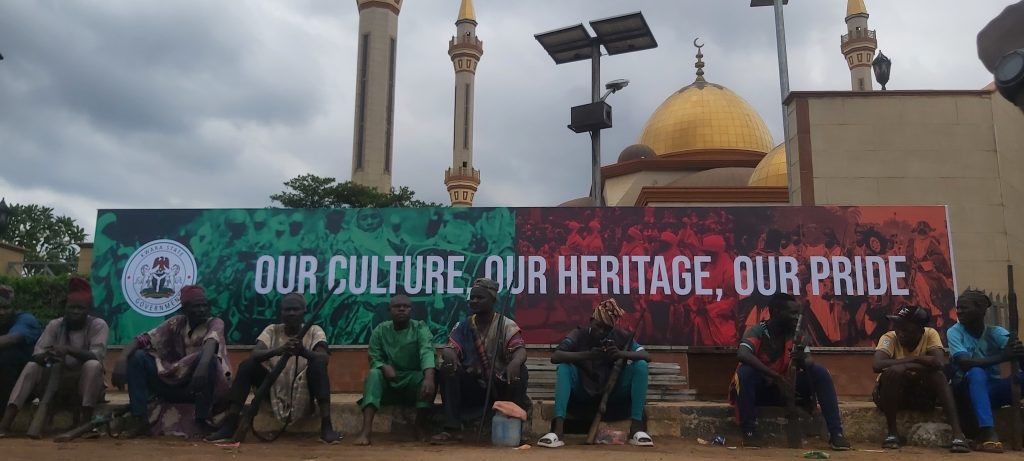
The Durbar festival serves as a cultural display, a celebration of Islamic heritage, and an occasion for the community to come together in unity. It is an opportunity to showcase the rich traditions, customs, and regalia associated with the Hausa and Fulani cultures of Northern Nigeria.
It’s important to note that the Durbar festival may have variations in different regions and states, each with its own unique customs and traditions. The festival continues to be an important cultural event, preserving and promoting Nigeria’s rich cultural heritage.